Healthy & Inclusive Food at Events Isn't Optional Anymore
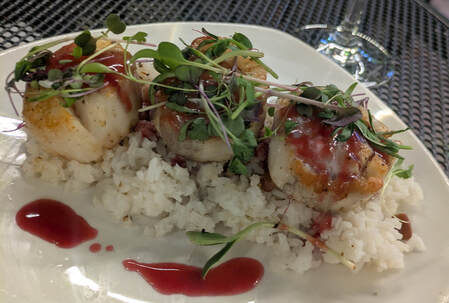
If there's one thing that can make or break an event, it's the food. A poor food experience can cast a dark shadow over an otherwise perfect gathering. Maybe you were served something you don't eat, or worse—they ran out of food entirely. Yet when done right, food as entertainment can become the most memorable highlight: caviar bumps washed down with Veuve, or building your own Instagram-worthy s'mores station, anyone?
With so much talk recently about diverse dietary needs, making gatherings healthier, and improving event efficiency, why is it that when it's time to dazzle our taste buds, so many culinary moments are coming up short?
If food and beverage are such integral parts of the event design experience, why is F&B often treated as just another box to check off—frequently ignoring the wants, needs, and allergy restrictions of guests?
The Reality Check: We're Still Getting It Wrong
I've been on the event planner side, the attendee side, and the embarrassed and frustrated side. I once coordinated a tasting to design a menu for an event, only to have the hotel seemingly do whatever they wanted anyway - including ignoring a severe allergy from someone sitting at my table.
F&B may have many complicated dimensions, but it can also be your secret weapon to have guests raving for years to come. So why are so many not using this strategic tool to its full potential?
I remember one of my first conferences about 10 years ago when all the salad was gone by the time I put my jacket on the back of my chair during the keynote luncheon. Having recovered from severe health issues only a few years prior, nutrition was critically important to me. The remaining options on the table? Fried meat and gluten-heavy bread rolls. I wanted to cry - especially since I was hungry and had paid for the not-inexpensive conference with my meager re-entry-into-events salary.
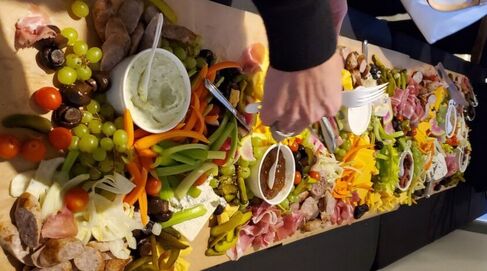
Fast forward to earlier this year at another conference where I sat in sessions discussing how important wellness and diversity in food and beverage options are for both event planners and attendees. It's actually one of the highest-rated priorities in recent industry surveys. How ironic, then, that the welcoming reception directly after featured almost exclusively processed red meats and fried foods with gluten. There wasn't a vegetable in sight, unless you count the guacamole, which I did.
That embarrassing hotel mishap I mentioned? Just a few weeks before the gala evening, I conducted a full tasting with the hotel team, being mindful with my DEI and wellness lens. Vegetarians would have real protein options (please, stop giving them only mushrooms), those with celiac disease would have safe options, and we selected the most versatile foods for diverse needs. But when event night came? Those carefully selected items were nowhere to be found. And that entrée that was supposed to be gluten-free? It wasn't. What was the point of even having the tasting? I was mortified. Sadly, this wasn't the first F&B mishap I'd experienced with that property.
Why This Matters More Than Ever
Have you ever attended an event where the food options fell short for you? How did that make you feel? Upset? Hangry? Or maybe you even wanted to cry?
When the only food available in the morning is a sugary processed carbohydrate, I want to cry too. I know I'm not the only one in a room of a couple hundred Gen Xers, Boomers, or Millennials who need to watch their blood sugar or are looking for ways to lower blood pressure and improve stress levels. Serving endless inflammatory foods is not the answer.
A rapidly increasing number of people - particularly younger generations entering the workforce and becoming decision-makers - are abstaining from alcohol. This doesn't mean serving them sugar-laden mocktails. This generation is more mindful about health than previous ones, which means it's your opportunity to shine and show you're both conscious of their well-being AND ahead of the curve on this trend.
Food as entertainment extends to zero-proof beverages too. Consider healthy tinctures of adaptogens that increase clarity and energy while decreasing stress and anxiety. Coordinate a tasting of alcohol-free wine and see if attendees can guess which is which. Offer beverages that support wellness and enhance the overall experience instead of detracting from it.
Now, before we get carried away - I'm not trying to take away your chocolate, coffee, wine, or whatever indulgence you love. But if we're going to serve those, we also need to serve options that let attendees know we're not just thinking about them; we genuinely care about them too!
Safety Is More Than Avoiding Stairs
Safety extends beyond preventing someone from falling or following sanitation protocols. Making sure you don't accidentally serve someone with a peanut allergy a dish with hidden nuts, or forget that the sauce on the main dish used gluten as a thickener, is the bare minimum. Have you thought about all the times you've missed someone - or many people - who couldn't eat what was served? For their safety, health, or other valid reasons, they went without. I can't imagine the countless times hundreds of people have gone hungry because hardly anything - or nothing - was available for them to consume.
Thoughtful F&B design is an ethical and business necessity, not just a "nice to have."
Respecting allergies, religious observances, and dietary preferences equals inclusion in action. Walk the talk.
Best Practices for Inclusive Event Catering
- Collect attendee dietary needs early in the registration process
- Verify with venues and caterers—and confirm again closer to the event
- Train staff and label food clearly with ingredients and allergens
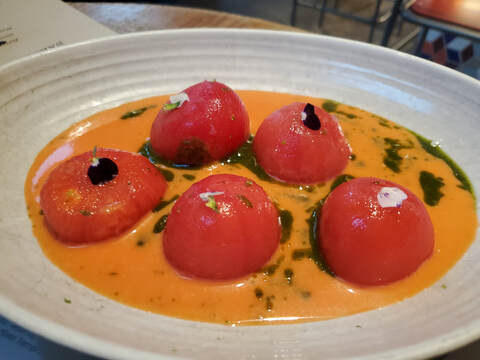
- Offer balance (plant-based, gluten-free, low-sugar options) without sacrificing flavor or presentation
If you're not sure where to start—ask! Professional planners who have an eye for and a core value of holistic well-being like us can be your best asset and secret weapon.
Practical Tips for Better Event Food & Beverage
Vegetarians aren't the only ones who eat veggies. Make sure there's enough to go around! Keep an eye on ensuring each meal or break has vegetarian protein options to keep attendees' hangry vibes at bay.
Here are some crowd-pleasers that work:
- Hard-boiled eggs for easy grab-and-go protein
- Build-your-own salad bars with avocado, olives, quinoa, garbanzo beans, and quality cheeses that fill people up without the "rabbit food" stigma
- Make-your-own taco bars that are both delicious and healthy - because who doesn't love tacos?
Remember: What you serve (or don't) can make or break your event and the guest experience. Guests remember when they're cared for—and when they're not.
Mindful sourcing also supports local and sustainable practices. Choosing local poultry or fish over beef isn't only more sustainable; it can save you money too.
How OmniEra Approaches Event Food & Beverage
At OmniEra, we lead with Wellness and Inclusion because it's threaded into everything we do. Every event we design starts with a wellness and inclusivity lens. Our sourcing process ensures that F&B partners uphold standards of health, safety, and cultural awareness.
Every guest deserves to feel seen, safe, and nourished. This isn't an afterthought—it's woven throughout our entire planning process.
Let's raise the bar on what event dining can and should be.
Ready to create an event where every guest feels seen and cared for? Let's chat about how your next gathering can be not only healthy and inclusive but exceptionally memorable!
Contact today to start planning with wellness at the forefront.
Love what you're reading???
Get a monthly dose of travel trends, event inspo, and wellness wisdom from behind the scenes, straight to your inbox! Never boring spam, always fun & uplifting from the founder. 😊